Friday, November 18, 2005

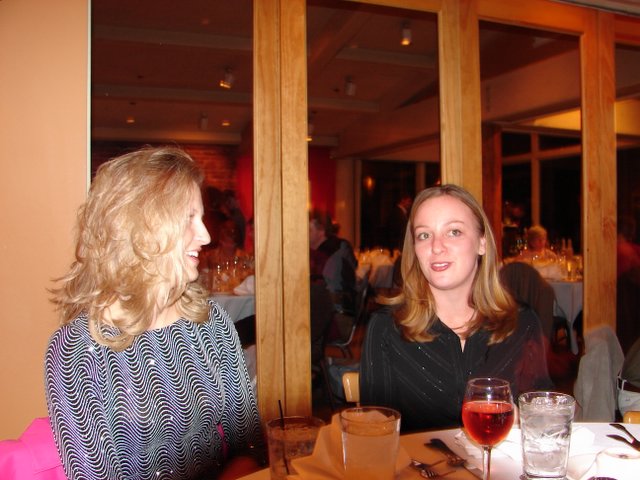
JENNIFER & SUZANNE AT WEDDING REHEARSAL DINNER Posted by Picasa
WEDDING REHEARSAL DINNER........HARRY'S WEST
 Posted by Picasa
WEDDING REHEARSAL
 Posted by Picasa
WEDDING REHEARSAL Posted by Picasa
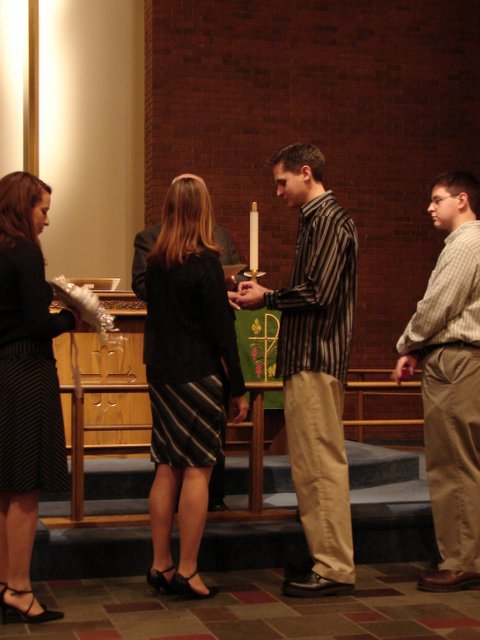
WEDDING REHEARSAL AT LORD OF LIFE LUTHERAN CHURCH. Posted by Picasa

Wednesday, November 16, 2005

Jennifer Loyet of Greenscape Gardens was interviewed on Wednesday by Ray Preston of KMOV -- Channel 4 about the effects of the upcoming freezing temperatures. Jennifer stated the importance of the plant's root ball being moist going into the freezing weather. She also stressed the importance of applying "Wilt Pruf" on plants to reduce winter damage. The clip was aired Wednesday night on the 5 pm Newscast.  Posted by Picasa
THE OLD SIGN PHILOSOPHER, THOUGHT FOR THE DAY!

LIFE IS SHORT....EAT DESSERTS FIRST

XXXXXXXXXXXXXXXXXXXXXXXXXXXXXXXXXXXXXXXXXXXXXXXXX

GARDEN CENTER HOURS THIS WEEKEND
SATURDAY 8 AM TIL NOON & SUNDAY 10 AM TIL 4 PM.

XXXXXXXXXXXXXXXXXXXXXXXXXXXXXXXXXXXXXXXXXXXXXXXXX

FINAL DAYS OF THE 50% OFF SHRUB, ROSE & PERENNIAL SALE

SUNDAY WILL BE THE FINAL DAY FOR THE END OF THE SEASON SALE AT GREENSCAPE GARDENS!

LOOKING FOR SOME GREAT DEALS ON SOME SELECTED SHRUBS AND ROSES. LOOK NO MORE BUT COME SOON OR YOU'LL MISS OUT.

XXXXXXXXXXXXXXXXXXXXXXXXXXXXXXXXXXXXXXXXXXXXXXXXX

Last night's freezing weather will be the end of the outdoor gardening season. But it isn't the end of the gardening chores. In some ways, this is actually the beginning of the upcoming gardening season.

Cleaning out the vegetable or annual flower garden after a hard freeze is nothing unusual for most gardeners. However, many gardeners are less likely to do a thorough clean-up to the perennial flower garden. Perhaps this is because many perennials continue to grow and even flower late into the fall, so clean-up is often delayed. Weather then becomes cold and the days are short. Outdoor activities in the garden then become unpleasant and may seem unnecessary until spring.

While the weather is still warm enough for outdoor gardening, check over the condition of the perennials. Look especially for plants that may have diseased leaves. Diseased dead leaves may serve as a source of infection for next spring. Dead leaves should always be removed for an attractive appearance. Pests, such as spider mites, may also survive winters on old foliage or deep in the crowns of plants that maintain some green foliage most of the winter. If such pests were a problem this past summer, consider using a late season pesticide spray to control as many of these pests as possible.

Many perennials maintain foliage throughout the winter. A few of these include foxglove, chrysanthemum Oriental poppy, bergenia, hellebores, and violas. A mulch placed around them soon can be helpful for protection against rapid temperature changes of soil and air around them. The best winter protection for most perennials is usually a mulch base and sufficient moisture in the soil.

The old adage “an ounce of prevention is worth a pound of cure” holds true for fall cleanup. October and November are good months to prepare perennial flowers for winter to insure a good floral display next year. Here are a few considerations for some of the most popular perennial flowers.

Peonies need little care, but the tops should be cut off. If the leaves were infected with any of the leaf blights that cause dead spots, the tops should be eliminated from the garden. Peonies may still be dug, divided and transplanted. Healthy peonies can flower well for many years without division.

Phlox are plants subject to disease and mites causing the most severe damage on lower leaves. Powdery mildew can also be a problem. Prompt removal of foliage by cutting plants back to near ground level at this time is important. Crushed, dead, infected leaves that fall to the groundwhile cutting off the tops should also be gathered and removed from the flower bed.

Daylilies have few pest problems, but sometimes mites or thrips may cause damage. Remove spent flowers and damaged foliage to reduce hiding places. Winter sensitive daylilies are best protected with full foliage and some mulch protection.

Hardy hibiscus, or rose mallow, has completed growth at this time. New shoots develop from the base of the plant in late spring. At this time, tops may be cut off an inch or two above the soil. Large clumps are normally divided in early spring.

Chrysanthemums are considered a perennial plant but many don’t survive because they were planted too late in the season and the foliage/stems are cut back in early winter. This allows the cold to translocate into the root system of the plant. Do not cut back the mum the first year to reduce this shock but mulch the root ball after the greenery has browned. In subsequent years, the dead foliage may be removed because the plant has an established root system.

Caring for your perennials in late fall will assure the vitality of the plant for spring renewal.

Wednesday, November 02, 2005

WHAT'S NEW AT THE GARDEN CENTER

The season is getting late but we're not sitting around. This week we have 3 truck loads of plants coming into the garden center. One load of trees and shrubs is on route from Oregon with an assortment of arborvitae, azaleas, rhodendrons and Japanese Maples. While another load of trees and shrubs will arrive on Friday including birches, zelcovas, flowering crabs and burning bushes. Another truck will be delivering additional green velvet boxwoods, knockout roses and other container grown shrubbery. In addition to these shipments, we have purchased some mums from an outside source. Yes, we have sold all 10,000 of our Greenscape Grown mums and must purchase some from another grower. While other garden centers have reduced their inventory, we are still stocking our nursery to bring you the best plants (even late in the season). Have you noticed that the "big box stores" have not restocked their landscape stock in over 5 months?  Posted by Picasa
THE OLD SIGN PHILOSOPHER, THOUGHT FOR THE DAY!

LIFE IS COMPLICATED.....WE SIMPLIFY GARDENING

XXXXXXXXXXXXXXXXXXXXXXXXXXXXXXXXXXXXXXXXXXXXXXXXXXX

FIRST ANNUAL GREAT YARD SALE!!!!

50% OFF SELECTED CONTAINER GROWN SHRUBBERY INCLUDING ARBORVITAE, JUNIPER, LOTS OF ROSES, ROSE OF SHARON, BURNING BUSH, THE LIST GOES ON FOREVER BUT THE SALE DOESN'T. FIRST COME----FIRST SERVED. IF YOU HAVE BEEN PUTTING OFF THAT LANDSCAPE PROJECT, WELL, NOW IS THE TIME TO SAVE BIG ON THE END OF THE YEAR YARD SALE. WE'VE RELOCATED THESE SALE ITEMS ON THE NORTH SIDE OF THE PARKING LOT. LOOK FOR THE SALE SIGNS. SALE ITEMS ARE MARKED BY A SPECIAL MARKING.

XXXXXXXXXXXXXXXXXXXXXXXXXXXXXXXXXXXXXXXXXXXXXXXXX

FROST TIPS

Do you still have some showy annuals or perennials that you don't want wasted by the frost? Or, how about those knockout roses which still have an abundant floral showing? THE KEY TO SURVIVING IN THE FROST IS SIMPLE! Lightly hose off the frost on the foliage before the sun burns the frost off. I had knockout roses still blooming last year at Thanksgiving by utilizing this simple trick.

xxxxxxxxxxxxxxxxxxxxxxxxxxxxxxxxxxxxxxxxxxxxxxxxxxxxxxxxxxxxxxx

GREENSCAPE GARDENS & WALTER GARDENS TOP 25 PERENNIALS FOR 2005.

1. Hemerocallis 'Stella de Oro'
2. Hemerocallis 'Happy Returns'
3. Coreopsis v. 'Moonbeam'
4. Hosta 'Francee'
5. Artemisia s. 'Silver Mound'
6. Gaillardia 'Fanfare' PP15892
7. Salvia n. 'May Night'
8. Hosta 'Sum and Substance'
9. Sedum 'Autumn Joy'
10. Perovskia atriplicifolia
11. Dicentra spectabilis
12. Perovskia 'Little Spire' PP11643
13. Hosta 'Patriot'
14. Hosta 'Loyalist'
15. Rudbeckia f. 'Goldsturm'
16. Echinacea 'Sunrise' PPAF (Big Sky TM Series)
17. Hosta 'Fortunei Aureomarginata'
18. Festuca g. 'Elijah Blue'
19. Echinacea 'Sunset' PPAF (Big Sky TM Series)
20. Leucanthemum s. 'Becky'
21. Hosta 'Great Expectations'
22. Hosta 'Remember Me'
23. Hosta 'Blue Angel'
24. Hibiscus 'Kopper King' PP10793
25. Dicentra 'Luxuriant'

ADDITIONAL RECOMMENDED PERENNIALS

(other plants we consider to be excellent choices for your perennial gardens.
• Agastache 'Blue Fortune'
• Brunnera m. 'Jack Frost' PP13859
• Brunnera m. 'Looking Glass' PPAF
• Calamagrostis a. 'Karl Foerster'
• Dianthus g. 'Firewitch' (2006 Perennial Plant of the Year)
• Heuchera 'Lime Rickey' PPAF
• Heucherella 'Stoplight' PPAF
• Hosta 'Regal Splendor'
• Hosta 'Stained Glass' (2006 Hosta of the Year)
• Liatris s. 'Kobold'
• Miscanthus s. 'Little Zebra' PP13008
• Nepeta 'Kit Cat'
• Phlox p. 'Laura'
• Polemonium r. 'Stairway to Heaven' PP15187
• Sedum 'Purple Emperor'
• Stokesia 'Peachie's Pick'

Thursday, October 27, 2005

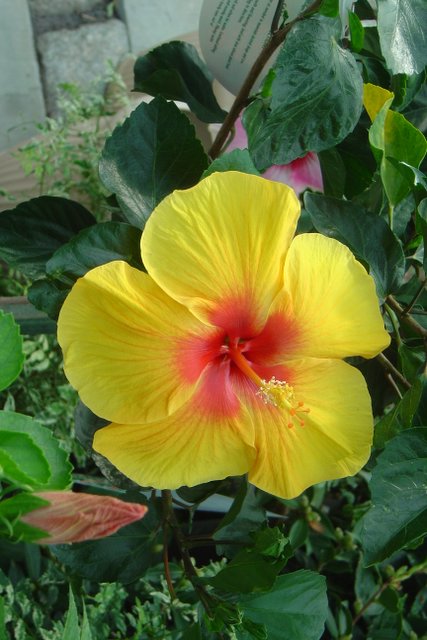
A sad farewell to the bright colors of the growing season. Many of the annual flowers sustained heavy frost damage Wednesday night. Bookmark this flower for the long, cold winter days which lie ahead.  Posted by Picasa
Leaving port and heading downriver from Kimmswick, Missouri. Watts Bar Belle Posted by Picasa
St. Louis is noted for its roots with the Mississippi River. Recently snapped
several pictures of a stern wheeler passing through St. Louis. The boat was in transit
from LaCrosse, Wisconsin to Knoxville, Tenn. Captain Greg and seaman Tom were leaving from Hoppy's in Kimmswick, Missouri. This is an actual (working) stern wheel paddle boat a replica from a by gone era. For some great paintings of Mississippi and Missouri River paddle boats check out garylucy.com. Posted by Picasa
THE OLD SIGN PHILOSOPHER, THOUGHT FOR THE DAY!

A FRIEND IN NEED....IS A FRIEND TO DODGE

TOMORROW MAY COME.....IT USUALLY DOES

XXXXXXXXXXXXXXXXXXXXXXXXXXXXXXXXXXXXXXXXXXXXXXXXXXX

OCTOBER PERENNIAL SALE OFFERING 50% OFF IS COMING TO A CLOSE. OCTOBER 31ST IS THE LAST DAY OF THE SALE. THIS SALE HAPPENS ONLY ONCE A YEAR AND WHEN ITS OVER, ITS OVER. WE STILL HAVE A GOOD SUPPLY OF PERENNIALS INCLUDING SOME OF ST. LOUIS' FAVORITES, INCLUDING STELLA DE ORA DAYLILLIES, SCABOSIA, COREOPSIS AND YARROW. **NO COUPON NECESSARY**

SPECIAL MUM SALE............BUY ONE, GET ONE FREE. SELECTED 2 GALLON GREENSCAPE GROWN MUMS ONLY. AVAILABLE IN RED, WHITE AND ROSE ONLY. THIS WEEKEND ONLY. PLANT THEM NOW FOR NEXT YEAR.

XXXXXXXXXXXXXXXXXXXXXXXXXXXXXXXXXXXXXXXXXXXXXXXXXXX

WINTER PREPARATION OF TROPICALS

With the recent frost experienced in St. Louis, its time to put away the tropicals for the year. Some tropicals are not worth the effort to save from year to year, so you must make a decision yourself on which plants you want to save. The most frequently overwintered tropical plants include the banana, elephant ear, hibiscus and gardenia.

BANANA TREES

There are two different classifications of bananas in the St. Louis area. The hardy banana (musca baja) and the tropical banana (cavandish). The hardy banana tree can survive to temperatures of -17*. The best way to winterize them is to simply cut the main stalk down after a killing frost and mulch over the area. Simple and easy.

The tropical banana requires quite a bit of work. Several choices are available for winterization. Cut the plant down, dig up the root ball and store in cool temperatures (basement away from any heat sources). OR Don't cut down the plant, dig up the root ball and transplant into a large pot and continue growing the plant throughout the winter in a sunny, heated area. OR Once again, don't cut down the plant, dig up the root ball, remove all the soil and store in cool temperatures.

ELEPHANT EARS

Cut down the elephant ears at the base of the plant and dig up the root ball. Store in the basement away from any heat sources. Do not store the bulbs in plastic bags. We recommend storing them in old panty hoses and hang them from the rafters in the basement. Burlap bags will also work but don't put too many in one bag.

When temperatures raise in the spring the following year, replant the elephant ears in rich, well drained soil.

TROPICAL HIBISCUS

This is one plant, I recommend discarding at the end of the season. Treat the tropical hibiscus as if it was an annual flower. This particular plant is a haven for white fly and aphids and could therefore affect the health of all your indoor plants. BUT If you insist on saving the hibiscus, hose the foliage off and spray the plant with an all purpose insecticide application. Place the plant in an area which receives moderate to strong sunlight. Occasionally water the plant and inspect for insect activity weekly. The hibiscus will probably lose its foliage during the course of the winter inside your home and will become infected with insects. "We do not overwinter any hibiscus at the garden center".

GARDENIA

The gardenia is identical to the hibiscus. I do not recommend overwintering this plant because of the severe insect problems associated with it. But, if you insist do the same procedures as the tropical hibiscus.

Tips to remember or consider. Do not overwater during the winter, keep slightly moist. DO NOT FERTILIZE DURING THE WINTER. Store in an area that does not drop below 40*. Store your plants away from any direct heat sources (furnace, fireplace, heat ducts). Monitor the plants for insect activity at least weekly. If an insect problem occurs, spray immediately. Good luck, winter doesn't last forever.

Wednesday, October 19, 2005

Night scene of the water feature at Greenscape Gardens. We have created several large permanent display gardens at the garden center. NO OTHER GARDEN CENTER IN ST. LOUIS OR ST. LOUIS COUNTY HAS MORE DISPLAY GARDENS THAN GREENSCAPE GARDENS. We are creating a garden center environment with mature plantings to encourage the St. Louis gardener to "stop and smell the roses". The koi/goldfish pond pictured here is just another example of our commitment to the St. Louis gardening public. Posted by Picasa
ANOTHER NEW SELECTION DISPLAYED AT THE EASTERN PERFORMANCE TRIALS IN SEPTEMBER.

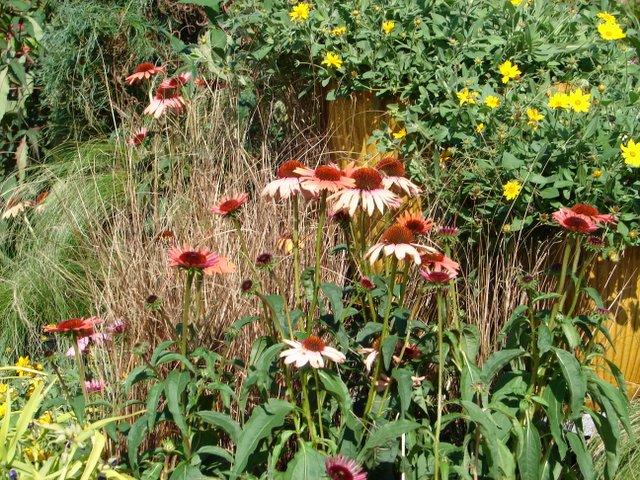
This is one of the many new varieties of annuals and perennials, you'll find at Greenscape Gardens in 2006. We have made a committment to bring new and exciting cultivars of flowers, trees, and shrubs to the St. Louis market.  Posted by Picasa
OCTOBER PERENNIAL SALE...... ............................50% OFF ALL REMAINING PERENNIALS

Looking to create the perfect perennial garden next year. Start this year with 50% off all remaining perennials. We have a good selection of shade and sun loving perennials.

Why is now a good time? The first reason is you'll save 50% on your perennials purchases. But you must hurry, since the supply is limited and the sale ends on October 31st, 2005.

The second reason is simple. The old saying "Fall is for Planting" creates great gardens. Planting in the fall encourages deep root development. The perennial will be more established since it has been developing an extensive root system all winter. There is no undue stress on the plant. As long as the ground isn't frozen, the plant is growing and developing a mature root system. Posted by Picasa
THE OLD SIGN PHILOSOPHER, THOUGHT FOR THE DAY!

FAMILY TREES, SOMETIMES PRODUCES NUTS!

XXXXXXXXXXXXXXXXXXXXXXXXXXXXXXXXXXXXXXXXXXXXXXXXX

WHAT'S GOING ON AT THE GARDEN CENTER

With the great weather we have been experiencing this past week, we have been extremely busy servicing the landscapers and homeowners with their fall landscape purchases. We still have a good selection of mums, pansies, kale and Proven Winner fall annuals.

Only 12 days remain for the great October Perennial Sale. Yes we still have a fair selection of perennials still available at 50% off. The stock has diminished greatly but we still have coreopsis, daylillies, scabosia, hostas and even a few butterfly bushes. "No coupon needed" for these great savings.

Only 2 Saturdays remain for Starr BBQ. Dave Starr has been teasing us with the great aroma of smoked meats the past couple of Saturdays. Check out his mouth watering treats on Saturday with ribs, pulled pork, chicken, my favorite of pork steaks, brats and hotdogs for the kids. Open to 5 on Saturday.

xxxxxxxxxxxxxxxxxxxxxxxxxxxxxxxxxxxxxxxxxxxxxxxxxxxxxxxxxxxxxxxx

WINERIZING THE IRRIGATION SYSTEM

A good rule of thumb is to winterize sprinklers by Halloween. Most years, that’s when it starts to freeze in this area. People often forget to winterize until its too late. It’s not hard to do.

Here’s some simple procedures you can utilize to winterize your irrigation system.

Go to the backflow preventer, located inside the basement or outside near the water meter. Turn levers off so that the waterflow is stopped. The preventer should be tested before you turn the sprinklers back on in the spring, and costs at least $50. It must be serviced by a licensed backflow technician in St. Louis and St. Louis County. Insulate any above-ground piping with self-sticking foam-insulating tape or foam insulating tubes from a home-supply store.

Shut down the timer. Most controllers have a rain mode that shuts off signals to the valves. The controller continues to keep time so the programming information such as start times and valve run times isn’t lost. The only change is that the valves will not activate.

Drain the system. Open each drain valve. There should be one per zone, and a master valve for the whole system.

As an optional added precaution, insulate backflow preventers and valves if they are above ground, using insulation tape. Don’t block the air vents and drain outlets on backflow preventers.

The sprinkler system should be shut off until March or April. That’s usually when you find out if you have any problems like a leak from incorrect winterization.

xxxxxxxxxxxxxxxxxxxxxxxxxxxxxxxxxxxxxxxxxxxxxxxxxxxxxxxxxxxxxxx

NOAA ANNOUNCES 2005-2006 U.S. WINTER OUTLOOK

NOAA announced the 2005-2006 U.S. Winter Outlook for the months of December, January and February. NOAA forecasters expect warmer-than-normal temperatures in most of the U.S. The precipitation outlook is less certain, showing equal chances of above, near or below normal precipitation for much of the country.

"Even though the average temperature over the three-month winter season is forecast to be above normal in much of the country, there still will be bouts of winter weather with cold temperatures and frozen precipitation," said retired Navy Vice Admiral Conrad C. Lautenbacher, Jr., Ph.D., undersecretary of commerce for oceans and atmosphere and NOAA administrator.
NOAA does not expect La Niña and El Niño/Southern Oscillation (ENSO) to play a role in this winter's forecast. Without ENSO, forecasters look to other short-term climate factors, like the North Atlantic Oscillation, in determining the overall winter patterns. Under these conditions there tends to be more variability in winter weather patterns across the nation, especially in the Great Lakes region and the northeast U.S.

The Outlook

The 2005-2006 U.S. Winter Outlook calls for warmer-than-normal temperatures across much of the central and western United States, including Alaska and Hawaii. The Midwest, the Southern Californian coast and the East Coast have equal chances of warmer, cooler or near-normal temperatures this winter.

The precipitation outlook calls for wetter-than-normal conditions across most of Arkansas, Louisiana, Oklahoma, and northeastern Texas. Drier-than-normal conditions are expected across the Southwest from Arizona to New Mexico.

As winter approaches, nearly 20 percent of the nation is in some level of drought compared to around 30 percent of the country this time last year as defined by the U.S. Drought Monitor. For the sixth year in a row, drought remains a concern for parts of the Northwest and northern Rockies. Wet or dry conditions during the winter typically have a significant impact on drought conditions. Winter-spring snow pack is particularly important in the West, as much of the annual water supply comes from the springtime snow melt. NOAA cautions it would take a number of significant winter snowstorms to end the drought in the Pacific Northwest and northern Rockies.

What Could Drive This Winter's Weather?

Since early 2005 sea-surface temperatures in the central-equatorial Pacific Ocean have been near normal. Near normal sea-surface temperatures in the central-equatorial Pacific Ocean are expected to continue for the next three to six months. Therefore, it is unlikely that either the El Niño or La Niña phases of the El Niño/Southern Oscillation (ENSO) cycle will be present during the upcoming winter. As a result, one key climate feature that could have a particularly large impact in U.S. winter weather, especially along the East Coast, is the North Atlantic Oscillation or NAO.
The North Atlantic Oscillation often changes its phase from week-to-week. During the positive phase, the jet stream shifts to the north of its usual position and the winter weather features relatively warm days over much of the contiguous U.S. In contrast, during the negative phase the jet stream shifts to the south of its usual position. The negative phase of the NAO features more Nor'easters and more frequent cold air outbreaks and snowstorms, especially along the East Coast. Currently, the phase of the NAO is difficult to anticipate more than one to two weeks in advance.

Recognizing the demand to have more precision with seasonal outlooks, the NOAA Climate Prediction Center has formed a Climate Test Bed. The Climate Test Bed is a collaborative scientific effort among the operational, academic and research communities. The mission of the Climate Test Bed is to accelerate the transfer of atmospheric and oceanic research and development into operational climate forecasts, products and applications. At present the Climate Test Bed is focused on maximizing the use of the NOAA Climate Forecast System model in combination with other climate forecast tools to improve U.S. seasonal precipitation and temperature outlooks.
Tuesday, October 18, 2005

Eastern Performance Trials Pictures

Topiary plantings at Virginia Growers. The whimisal dragon of sedum was displayed at the grounds of Virginia Growers. Notice the hens and chicks on the backside of the dragon. This entire display was quite attractive and was something you normally think of as "Disney".
 Posted by Picasa