Thursday, July 28, 2005

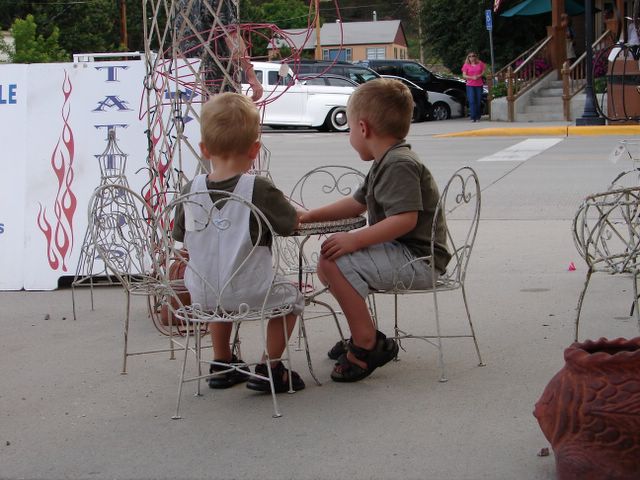
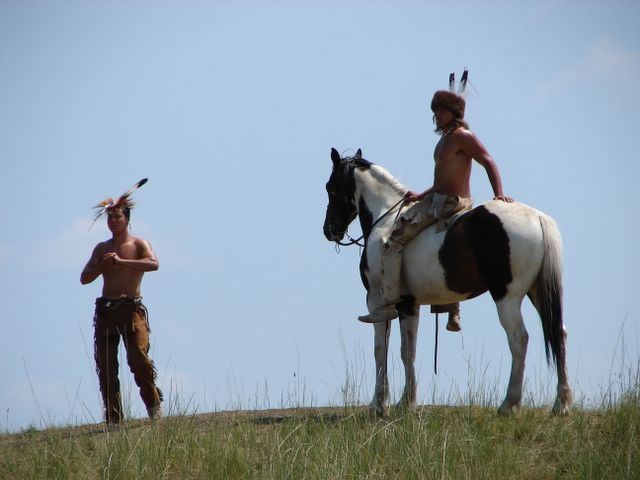
Our nations "First Brothers"

Greenscape Gardens
Our nations "Forefathers"

Greenscape Gardens
"Brothers

Greenscape Gardens
"Brothers

Greenscape Gardens
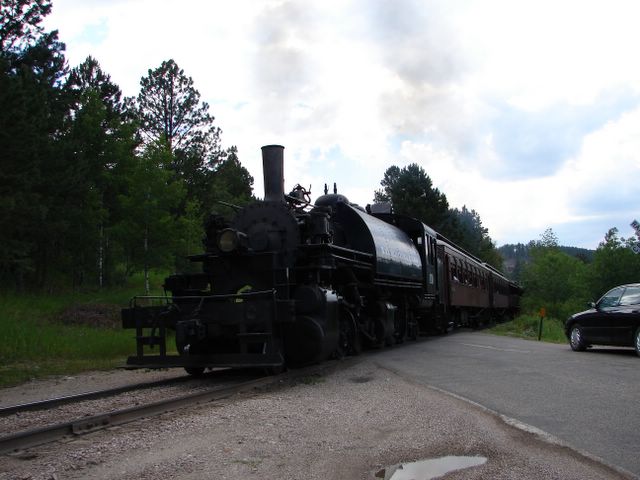
Narrow guage railroad between Hill City and Keystone, South Dakota.

Greenscape Gardens
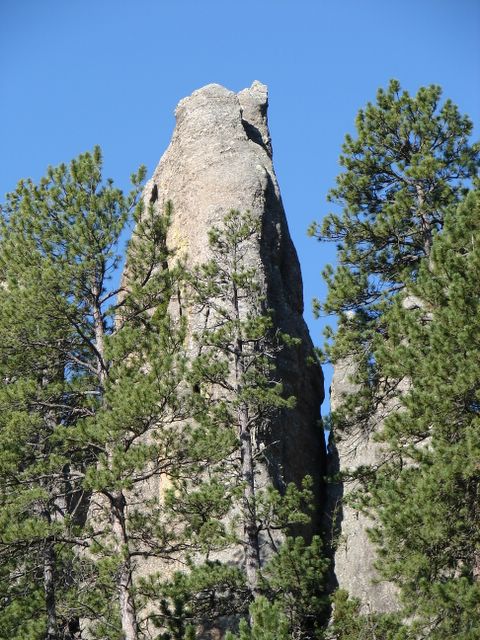
The spectacular scenery of the "Needles" in South Dakota.

Greenscape Gardens
American Bison in Custer State Park, South Dakota. What is the Indian name for Bison?

Greenscape Gardens
THE OLD SIGN PHILOSOPHER, THOUGHT FOR THE DAY!

GARDENING IS 1% INSPIRATION AND 99% PERSPIRATION

XXXXXXXXXXXXXXXXXXXXXXXXXXXXXXXXXXXXXXXXXXXXXXXXXXX

GREEN INDUSTRY IS ONE OF THE FASTEST GROWING SEGEMENTS OF THE U.S. AGRICULTURE

A recent economic study by the University of Florida and the University of Tennessse shows that the green industry is one of the fastest-growing segments of U.S. ag., and is among the nation's fastest-growing businesses overall.

The green industry generates $147.8 billion in output or sales, 1.9 million jobs, $64.3 billion in labor income and $6.9 billion in indirect business taxes. Wholesale and retail trade sectors contributed almost a third of the $95.1 billion in value-added impacts cited by the study, which represent the value of output less the value of purchased inputs used in the production of goods and services for final consumption.

xxxxxxxxxxxxxxxxxxxxxxxxxxxxxxxxxxxxxxxxxxxxxxxxxxxxxxxxxxxxxxxxxx

St. Louis Tree and Shrub Drought Damage and Care

The St. Louis area has just suffered the third driest spring in recorded history. What effects will occur with additional drought and extremely warm weather? We are already noticing symptoms of drought stress on many woody plants in landscapes, and forests throughout Missouri. These past few days of rain and cooler weather significantly helps, but we still need to be concerned about the after-effects of the record breaking drought.

An often asked question at the garden center is "Should I plant new trees or shrubs? or Should I fertilize my lawn and plants? or What can I do to prevent damage to my plants"?

The answers to these questions are simple. Plant correctly and consciously water your newly planted landscape and you’ll do fine. Refer to the Greenscape Gardens planting guide

Drought is a meteorological and environmental event. The absence of rainfall for a period of time will cause the depletion of soil moisture and damage to plants. Drought is a normal, recurring feature of our climate; it can result in significant problems with plant health.
To understand the impact of drought on woody plants, it is helpful to understand the water needs and relations in the plant. Without water, there is no plant life. Water is necessary for nearly all biological and biochemical processes within plant cells. Water is also necessary for uptake and transport of nutrients. Transpiration is the primary mechanism driving the movement of water from the soil, to the roots, to the xylem, to the leaves, and to the air.

The primary physical effects of drought are damage and death of the roots. The feeder roots and root hairs are the most important part of the root system for uptake of water and nutrients from the soil. Unfortunately, they are also particularly sensitive to drying out and are the first portion of the root system to be affected by drought. It is important to understand that 99% of the root system of a woody plant is located in the top three feet of the soil, and a good portion of functional root system (non-woody feeder roots and root hairs) is in the top 12 inches. When feeder roots and root hairs dry, shrivel, and become non-functional, a water deficit develops in the plant because these roots can no longer provide sufficient water to the top of the plant.

In addition to direct damage to the roots, a significant secondary effect of drought is that it weakens plants and predisposes them to secondary, opportunistic pests. These include diseases such as cankers, vascular wilts, and root rots. Many drought-stressed plants also show increased sensitivity to de-icing salts, air pollutants, and pesticides.

Drought also has important physiological effects on plants. Drought triggers many changes in the metabolism which can substantially alter the physiology of a plant. These changes include levels and types of hormones produced by the plant and alterations of basic processes such as photosynthesis.

Symptoms of drought are quite variable and are manifest in many different ways depending on the plant species and the severity of the water deficit. However, it is generally agreed that the symptoms of drought are often not evident in the tree or shrub until sometime after the event has occurred-- even as much as one or two years later! This can make diagnosis very difficult. As a consequence of this delay in symptom expression, symptoms of drought stress can be seen now, will continue to develop as this season progresses, and will be also be evident next year. Symptoms include loss of vigor in needles and leaves, drooping, wilting, yellowing, premature leaf or needle drop, bark cracks, and twig and branch dieback. Leaves on deciduous trees often develop a marginal scorch, whereas needles on evergreens turn brown at the tips. Trees and shrubs can also exhibit general thinning of the canopy, poor growth, and stunting. In extreme cases, drought can result in plant death.

Since we can’t control the weather and there is no cure for this problem, there are some steps that we can take to cope with drought and minimize its impact on plants.

1. Watering:

At Greenscape Gardens we water daily to maintain the plants vigor. Most plants, including trees and shrubs, require approximately one inch of water per week. For most soil types, water is best applied at one time as a slow, deep soaking of the entire root zone to a depth of approximately 8-10 inches. The length of time required to "deep-water" will vary depending on soil type and water pressure. If possible, it is helpful to use efficient systems for delivering water such as soaker hoses, directed sprays at the roots, and trickle irrigation.

Overhead watering isn’t very efficient since substantial amounts of water are lost by evaporation and it can promote disease problems. However, if it is necessary to use overhead irrigation, watering early in the day (early morning) helps to limit some unnecessary losses and minimize the risk of disease. New transplants will need special attention, especially during the first 2 years after planting.

2. Selecting the Plant and the Site:

It is important to match the needs of the plant with what the site has to offer as closely as possible since this helps to maximize the vigor of the plant from the time of planting. The old axiom "the right plant for the right site" is especially pertinent in periods of drought. Factors for consideration include the amount space for root development, amount of light, hardiness zone, drainage, exposure, and soil texture and pH. Select drought-tolerant plants, if possible. Correct choices at the time of planting can greatly reduce the need for supplementary water during the life of the plant. For example, if you know you have a very dry, sandy soil, avoid planting drought-sensitive species such as dogwood, hemlock, some oaks, ash, or birch and select more drought-tolerant species such as most pines, many Prunus or junipers. Avoid very dry sites with thin soil profiles or highly exposed sites where water loss from wind and sun can exacerbate a drought situation.

3. Planting Methods:

Spacing:
Use the correct spacing for each type of plant. Avoid crowding since crowded plants just don’t grow well and crowding also increases competition for available water.

Digging and preparing the planting hole:
The old saying "dig the $10 hole for the 50 cent plant" certainly rings true, especially during drought. The "old method" for planting called for digging the hole substantially deeper but no wider than the rootball. It also called for the addition of many amendments to the soil. This method has been replaced by a "new method" based on what we now know about the way roots grow. This new method is applicable for both woody and herbaceous plants. With this method, the planting hole is dug 2 times wider but no deeper than the the rootball to be planted. In most cases, the soil dug from the planting hole is used to backfill the hole. Additional organic matter can be added/blended to help with soil moisture retention. Refer to improving the soil.

This method eliminates settling over time (especially for large trees and shrubs), promotes faster root growth into the planting site since the soil is receptive to lateral root growth, and it minimizes the transitions between soil types as the roots grow from the rootball, into the planting hole, and into the planting site.

Whether you’re planting woody or herbaceous material, proper preparation of the rootball is critical to plant growth. Preparing the rootball is unfortunately often overlooked but it is particularly important during periods of drought. The rootball must be wet but not overly saturated. With container-grown woody and herbaceous plants, the rootball should be moist but not wet at the time of planting. It should also be scored, cut, and teased apart before planting. This is especially important if the root mass is very tight and dense. Refer to Greenscape Gardens planting guide.

4. Mulching:

Properly applied mulches help with soil moisture retention and have the added advantages of weed control and soil temperature moderation. Organic mulches include materials such as shredded bark, and wood chips. The soil should be moist when you apply the mulch—if it is dry, you should water before putting down the mulch. In order to be effective, mulches need to be applied correctly. Mulches that are applied too thick or too close to the base of the plant ("Perryville pyramids") can be harmful. Improperly applied mulches cause many problems: when applied too thickly, the mulch impedes water penetration and smothers the roots. When applied too close to the stem, the mulch creates conditions favorable for the development of stem and crown rots. The rule of thumb for mulching: mulches should be applied approximately 1 inch from the base of herbaceous plants and 6-12 inches from the base of woody plants.

5. Maintaining plant vigor by using sound cultural practices:

It is generally accepted that woody plants under stress should not be fertilized. However, applications of biostimulants, mycorrhizae, or similar compounds (Superthrive) can be beneficial and can help to stimulate root growth and regeneration. Maintain the health of the plants by removing any dead, damaged, or dying branches—this will help minimize problems with secondary invaders and opportunistic pests.

SUMMARY

Although the drought has certainly affected many woody plants throughout St. Louis, it is important to realize that there are steps we can take to minimize its long-term impact on plant health.

Thursday, July 21, 2005

Badlands, South Dakota

Greenscape Gardens
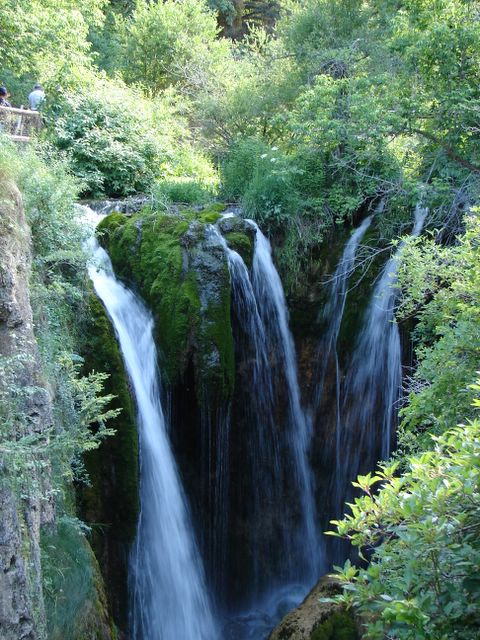
Roughlock Falls in Spearfish Canyon, SD.

Greenscape Gardens
Mount Rushmore. Did you realize that Washington's nose is over 21 feet long, the other presidents are only 20 feet.

Greenscape Gardens
Sculptures at Tatanka--Kevin Costner's tribute to the Bison in the Black Hills

Greenscape Gardens
Let the stress begin

Greenscape Gardens
THE OLD SIGN PHILOSOPHER, THOUGHT FOR THE DAY!

GREEN ME UP........SCOTTY

xxxxxxxxxxxxxxxxxxxxxxxxxxxxxxxxxxxxxxxxxxxxxxxxxxxxxxxxxxxxxxxxx

Lawns that are heavily shaded can sometimes develop a white color on the grass blades, as if they have been dusted by powder. This is due to powdery mildew, a common fungal disease favored by cool, humid weather and shady conditions.

Greenscape Gardens have several fungicide products to help control powdery mildew.

xxxxxxxxxxxxxxxxxxxxxxxxxxxxxxxxxxxxxxxxxxxxxxxxxxxxxxxxxxxxxxxxxxxxxxxx

Mosquitoes are a summer problem.

Sitting in the back yard was a test of nerves tonight. Mosquitoes were constantly dive bombing me to the point that I simply had to go inside. The irritation of their pesky bite or the health problems incurred by mosquitoes was also a deciding factor. Several mosquito species are capable of transmitting viruses or other organisms that cause diseases in humans and animals.

Biology

Mosquitoes are small, aquatic flies that belong to the family Culicidae. Only adult female mosquitoes take a blood meal. The blood is needed for egg development. Mosquito species vary in the types of blood they prefer, but most species prefer warm-blooded animals. Most of the rest feed on cold-blooded animals, but a few do not take blood at all. Females of these species feed on plant juices and nectar. Plant juices are also the food for males of all species. A few bloodsucking species are active during daylight hours, but the majority of the species that prefer human blood are most active at twilight or just after dark.

Mosquitoes develop in slow-moving or stagnant water. Places where mosquitoes grow and develop are commonly referred to as "breeding sites." The type of breeding site varies by species, but some of the most common include flood waters, woodland pools, edges of slow-moving streams, ditches, marshes and around the edges of lakes. Mosquitoes may also develop in tree cavities, rain barrels, fishponds, birdbaths, wading pools, old tires, tin cans, clogged gutters and catch basins Ñ in other words, anything that holds even small amounts of water for a few days.

Adult female mosquitoes lay eggs on the surface of water, or in places where water is likely to accumulate. After coming into contact with water, eggs usually hatch in about three days. The larval stage, commonly called a wiggler, usually takes 7 to 10 days to mature and then changes into the pupal or "tumbler" stage. The larval and pupal stages live at the surface of the water and breathe through tiny air tubes that protrude from the water surface, much like a snorkel. The pupal stage lasts two or three days, before the adults emerge. Adult mosquitoes emerge from the pupae by climbing onto the surface of the water. After a few days, the adults mate and females begin looking for a blood meal. After taking a blood meal, each female may lay 100 to 400 eggs or more. The entire life cycle is completed in about two weeks but may take only 10 days under the most favorable conditions.

Missouri is home to approximately 50 species of mosquitoes. Not all of these species are found throughout the state, but many are adapted to survive the hot summers and cold winters typical of Missouri. Some species are active in the spring, some in the summer, and others in the fall, while others are present during the entire nonfreezing portion of the year.

Warning
• Apply chemicals only where needed or justified.
• Before using any chemical, please read the label carefully for directions on application procedures, appropriate rate, first aid, storage, and disposal.
• Make sure that the chemical is properly registered for use on the intended pest and follow all other label directions.
• Keep insecticides in original containers, complete with labels, and keep them out of the reach of children and pets.
• Do not allow children or pets near treated areas before these areas dry.
• Carefully and properly dispose of unused portions of diluted sprays and empty insecticide containers.

Disease transmission

The fact that insects can transmit disease has been known for only a little over 100 years. Before then, it was not known how people contracted malaria, yellow fever, typhus, dengue, filariasis or encephalitis. We now know that mosquitoes transmit various diseases in North America and throughout the world. Depending on the species of mosquito, they may transmit pathogens from human to human, animal to animal, animal to human or human to animal.

Normally, mosquitoes acquire a pathogen from an infected host while taking a blood meal. Once inside the mosquito host, the pathogen must survive until it is transmitted to a susceptible host during a later blood meal. Mosquitoes salivate each time they feed, and transmission usually results from this saliva. Therefore, to be transmitted, the pathogen must survive digestion, pass through the mosquito gut and into the tissues, multiply in the tissues, and finally accumulate in the salivary glands of the mosquito. Since pathogens are adapted for survival and development in certain mosquitoes, only select species are able to transmit a particular disease.

Encephalitis viruses are some of the most widely recognized mosquito-transmitted pathogens. The name encephalitis describes the swelling of the brain and spinal cord that can result from an infection by these viruses. One strain of encephalitis virus, called St. Louis encephalitis (SLE), was named because of its discovery in the St. Louis area. Other encephalitis viruses include eastern equine encephalitis (EEE), western equine encephalitis (WEE), and West Nile virus (WNV). WNV has only recently become established across North America and affects birds, horses and humans. It is primarily a transmitted from bird to bird, with horses and humans being accidental hosts. Most humans with WNV have no symptoms. A small percentage of infected people develop flu-like symptoms, and encephalitis develops in less than 1 percent of those who show symptoms. The elderly are most susceptible to encephalitis from WNV. After recovery from WNV is complete, immunity guards against future infections.

Another common pathogen transmitted by mosquitoes is canine heartworm. Canine heartworm is caused by the filarial worm Dirofilaria immitis. It is by far the most important filarial worm transmitted by mosquitoes in North America. It is most common along the Atlantic and Gulf coasts, where in some localities half the dogs examined are found to be infected. Lower infection rates are found in the Midwest and North-central states. Humans can be accidental hosts but these infections are usually abortive.

Breeding site elimination

The most effective method of mosquito control around the home is to prevent the larvae and pupae from developing. This can be done by eliminating or altering existing breeding sites as follows:
• Destroy or dispose of tin cans, old tires or any other unnecessary water containers.
• Make weekly inspections of the water in flowerpots and plant containers. If mosquito larvae are seen, change the water.
• Change the water in birdbaths and wading pools once or twice a week. Turn wading pools upside down when not in use.
• Stock garden and lily ponds with top-feeding minnows.
• Keep rain gutters unclogged and flat roofs dry.
• Drain and fill stagnant pools, puddles, ditches or swampy places around the home.
• Keep the margins of small ponds clear of vegetation.
• Place tight covers over cisterns, cesspools, septic tanks, fire barrels, rain barrels and tubs where water is stored.
• Fill all tree holes with sand, then seal with mortar.
• Remove tree stumps that may hold water.

Outdoor larval mosquito control

If standing water can't be eliminated, and you have observed mosquito larvae or pupae in the water, there are treatments designed to control these stages. Because mosquito larvae and pupae "hang" under the surface tension of the water while breathing, a thin coat of light oil on the water breaks the surface tension and prevents breathing. These oils should be applied to the shallow margins of the water where there is emergent vegetation, since most of the larvae are located there. They may also be applied to the upwind side of the water so that air currents move the film of oil across the surface. Use only light oils specifically designed for this purpose. Mosquito control supply companies sell such products. Never apply used crankcase oil for this purpose.

Mosquito repellents

Repellents are useful in protecting against mosquito bites. Available under various trade names, most contain the active ingredient diethyl toluamide (DEET). Repellents provide protection for up to five hours, depending on amount of perspiration, skin rubbing, temperature and abundance of mosquitoes. Protection is rarely 100 percent when one is exposed to a heavy mosquito population. Application should be made to clothing and to exposed skin areas but not around the eyes, nose or lips. Follow carefully all directions on the label. Because repellents with high concentrations of DEET can damage plastics and some synthetic fibers, newer formulations contain about 30 percent microencapsulated repellent. Research has also shown that DEET concentrations above 35 percent are not significantly more effective at repelling mosquitoes.

Other materials may be useful as mosquito repellents. So-called mosquito coils are designed to burn slowly and emit a pungent odor that may keep small spaces temporarily mosquito-free. Avon's Skin-So-Soft products are reported to have some effect in repelling mosquitoes. Other products claiming repellency may or may not be effective.

Indoor control of adults

Mosquitoes can be prevented from entering homes by keeping windows and doors tightly screened. Make sure all exterior screening is in good repair and used regularly. Reduced outdoor lighting at night will also make your home less susceptible to mosquitoes. Similarly, outdoor dog kennels can be screened and lighting reduced.

Space sprays or aerosol "bombs" containing synergized pyrethrins or pyrethroids (several are on the market with various names, usually ending in -thrin ) are effective against mosquitoes found in the home. Use these materials only as directed on the label.

Outdoor control of adults

Adult mosquitoes are attracted to light and may migrate in from surrounding areas. During the daytime, adults like to rest in cool, dark, damp and protected locations, such as in vegetation. Therefore, do not allow grass or weeds to grow uncontrolled near the home. Keep shrubs and bushes trimmed and with a space between them and the house. Some localized protection can be obtained by spraying this shrubbery and other shaded areas around buildings with a residual insecticide to kill mosquitoes that attempt to pass the day there. For this purpose you may use an appropriately labeled aerosol insecticide. Some of the active ingredients include carbaryl, malathion and various pyrethroids (again, these ingredients usually end in Ðthrin). Other products on the market are for use only by licensed applicators. Read the insecticide label before applying to make sure the product is used according to the guidelines and will not harm vegetation to which it is applied.

Temporary control can be achieved with a thermal fogger, a small, hand-held machine that converts a liquid insecticide into a thermal fog. Such a fog will drift with air currents across the ground and through vegetation, providing for quick knockdown of flying and resting adult mosquitoes. This type of control is most effective just before sunrise and just after sundown, when temperatures are cool and when air currents are minimal. Be sure to use only insecticides prepared for use in a thermal fogger. This sort of control may also be useful when outdoor events or gatherings are planned. Since this type of control is short-lived, make the application no more than a few minutes before relief is desired.

Pets

It may be desirable to protect your dog from mosquito bites to reduce the threat of infection with canine heartworm. Screening outdoor kennels is one method that has been used to minimize mosquito bites. Another alternative is to contact your local veterinarian, who can prescribe insecticidal treatments for mosquito control on dogs. These products are spot-on, which means you apply a few drops between the shoulder blades or on the back of your dog. The chemical moves through the oils of the skin to provide protection on all areas of the body. These products typically persist for up to a month and kill or repel biting mosquitoes.

Electronic devices

"Bug zappers" are advertised as physical attractants or repellents of mosquitoes. Field tests have consistently shown that electrocuting devices using ultraviolet light as an attractant are ineffective in reducing mosquito populations and mosquito biting activity in a given area. They may be spectacular in killing mosquitoes and other insects but they also attract mosquitoes that would not have been in the area normally. Since these electrical devices never get all the mosquitoes present, there will probably be as many mosquitoes left in an area as would have been there if the attracting device had not been used in the first place. In addition, studies have shown that they kill more beneficial insects than mosquitoes and harmful insects.

"Ultrasonic pest eliminators" that supposedly emit a sound or other phenomenon to repel mosquitoes from an area appear on the market from time to time. There is no scientific evidence that such devices have any significant effect on mosquito behavior.
Thursday, July 07, 2005

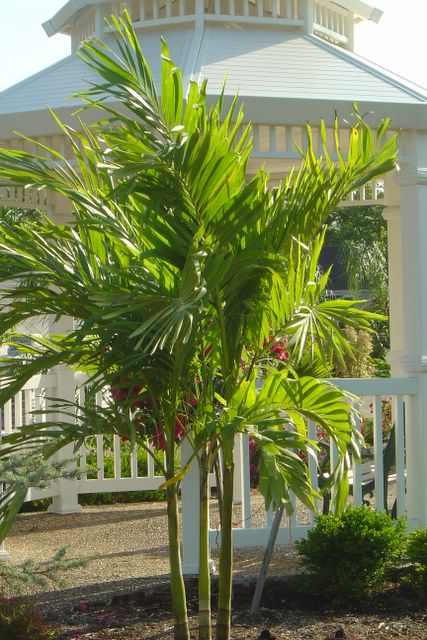
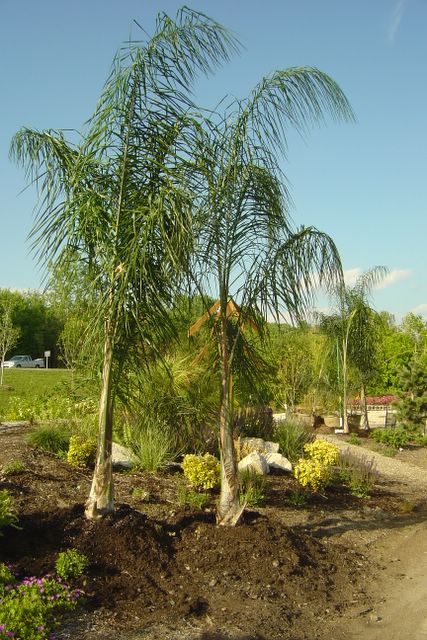
PALM TREES AND TROPICAL PLANTS ON SALE FOR HALF PRICE! SORRY, THIS PALM STAYS IN THE DOUGHERTY FERRY DISPLAY GARDEN.

Greenscape Gardens
ALL PALM TREES ON SALE FOR THE NEXT 10 DAYS AT 50% OFF.

Greenscape Gardens
MATURE PALM TREES FOR SALE AT GREENSCAPE GARDENS. WOULDN'T THIS LOOK GREAT AROUND YOUR POOL IN THE BACK YARD?

Greenscape Gardens
THE OLD SIGN PHILOSOPHER, THOUGHT FOR THE DAY!

THINK MORE...........TALK LESS

XXXXXXXXXXXXXXXXXXXXXXXXXXXXXXXXXXXXXXXXXXXXXXXXXXX

Sorry for the lack of updates lately but the hot weather takes the writing juices out of the old sign philosopher. But for those who check out the website frequently: The website has had 47,xxx website visits in the past 18 months and over 186,xxx web page views in the same time. Hopefully with decent weather, I'll be able to update the blog and the website more often.

xxxxxxxxxxxxxxxxxxxxxxxxxxxxxxxxxxxxxxxxxxxxxxxxxxxxxxxxxxxxxxxx

LAWN PROBLEMS GALORE IN THE ST. LOUIS AREA.

In many parts of St. Louis moisture stress is present on many home lawns. In areas where supplemental irrigation is needed and water conservation is critical, a few suggestions:

* Water during times when evapotranspiration is the lowest. Watering during the middle of the day will result in significant evaporation of water not only from the turf but from sprinkler water spray prior to the water hitting the turf. Night watering increases the severity of disease however compared to water loss the potential increase in disease severity is minimal.

* Water deeply and infrequently. Warm season grasses have a deep root system allowing them to absorb deeper. Deep infrequent watering also allows for a greater hardening off of the turfgrass plant. In some instances where hand watering is being implemented this may be difficult.

* Bluish colored turf is a sign of wilting. Water when the turf needs moisture the most, which is at the first sign of wilt.

* Pray for rain. Its really getting serious. Today I was at a farm coop buying some supplies and all the farmers were discussing the severe drought conditions in the St. Charles area.

xxxxxxxxxxxxxxxxxxxxxxxxxxxxxxxxxxxxxxxxxxxxxxxxxxxxxxxxxxxxxxx

JAPANESE BEETLE HITS THE ST. LOUIS AREA

The Japanese beetle invaded portions of the St. Louis area in the past 2 weeks. We have been swamped with questions on what to do to eliminate this pest.

The Japanese beetle is a highly destructive plant pest of foreign origin. It was first found in the United States in a nursery in southern New Jersey nearly 80 years ago. In its native Japan, where the beetle's natural enemies keep its populations in check, this insect is not a serious plant pest.

In the United States, however, the beetle entered without its natural enemies and found a favorable climate and an abundant food supply. By 1972, beetle infestations had been reported in 22 States east of the Mississippi River and also in Missouri. In Missouri, it was originally found hitchhiking on travel trailers at Meramec State Park in Sullivan. Since then, the pest has continued to disperse south and west. Isolated infestations have been found in Wisconsin, Oregon, and California. Without its natural checks and balances, the Japanese beetle has become a serious plant pest and a threat to American agriculture.

Both as adults and as grubs (the larval stage), Japanese beetles are destructive plant pests. Adults feed on the foliage and fruits of several hundred species of fruit trees, ornamental trees, shrubs, vines, and field and vegetable crops. Adults leave behind skeletonized leaves and large, irregular holes in leaves. The grubs develop in the soil, feeding on the roots of various plants and grasses and often destroying turf in lawns, parks, golf courses, and pastures.

Today, the Japanese beetle is the most widespread turf-grass pest in the United States. Efforts to control the larval and adult stages are estimated to cost more than $460 million a year. Losses attributable to the larval stage alone have been estimated at $234 million per year--$78 million for control costs and an additional $156 million for replacement of damaged turf.

How To Recognize the Japanese Beetle's Life Stages

The adult Japanese beetle is a little less than 1/2 inch long and has a shiny, metallic-green body and bronze-colored outer wings. The beetle has six small tufts of white hair along the sides and back of its body under the edges of its wings. The males usually are slightly smaller than the females. You are most likely to see the adults in late spring or early summer.

During the feeding period, females intermittently leave plants, burrow about 3 inches into the ground--usually into turf--and lay a few eggs. This cycle is repeated until the female lays 40 to 60 eggs.

By midsummer, the eggs hatch, and the young grubs begin to feed. Each grub is about an inch long when fully grown and lies in a curled position. In late autumn, the grubs burrow 4 to 8 inches into the soil and remain inactive all winter. This insect spends about 10 months of the year in the ground in the larval stage.

In early spring, the grubs return to the turf and continue to feed on roots until late spring, when they change into pupae. In about 2 weeks, the pupae become adult beetles and emerge from the ground. This life cycle takes a year.

Homeowner Control

The Japanese beetle life cycle

No quick fixes can rid homeowners of the Japanese beetle once it becomes established. The Japanese beetle is here to stay. Therefore, we must learn to "live with" or manage this insect pest while attempting to minimize its impacts.

It is not necessary to eliminate the beetle in order to protect your trees, plants, and lawn. It is hard to predict when and where Japanese beetle populations will increase, and there is no guaranteed control formula to follow.

Traps for adult beetles operate primarily with two chemical lures. A combination of a pheromone, or sex attractant, and a floral lure attract both male and female adult beetles to the trap. Then, as a result of their clumsy flying and the design of the trap, they end up caught in either the bag or funnel portion of the trap.

If you put a trap out while the adults are flying and find that beetles fill the trap in 1 day, you probably have a Japanese beetle problem.

If, during a week, the bottom of the trap is barely filled, you probably do not need to be concerned. Adult beetles can fly long distances, so those caught in your yard may have come from up to a mile away. For this reason, it is difficult to estimate the number of grubs in your turf from adult trap catches.

If your lawn has brown or dead areas, survey near the edge of the damage. If you find that grubs are the cause of the damage, clearly this area should be treated. Just remember: There is several types of grubs found in the St. Louis area. The May or June beetle and the Southern masked chafer are the most dominant lawn problem beetles in the St. Louis area.

Control Methods

Chemical Controls

Homeowners who decide to use chemical methods to control Japanese beetle should base their decision on several factors. Correct timing and application are probably the most essential elements for success with pesticide applications. The following chemicals are effective for use in the control of the Japanese beetle adult and its grubs:

Chemicals for Adults:

Carbaryl
Malathion
Methoxychlor
Rotenone

Chemicals for Larvae:

Imidacloprid (Merit(TM) Insecticide for turf; Marathon(TM) for nursery use)
Bendiocarb
Isofenphos
Chlorpyrifos

Biological Controls

Homeowners who choose biological methods to control Japanese beetle populations can successfully use parasites, nematodes, fungi, or other biologically based approaches. Some of these agents are commercially available to homeowners; others are not. While they take a little longer to produce the same results as insecticides, biological control agents last longer in the environment. More importantly, they do not adversely affect nontarget or potentially beneficial organisms.

Bacillus thuringiensis (Bt)--Bt is a naturally occurring soil bacterium typically used as a microbial insecticide. The Bt strain registered for the Japanese beetle is for use on the grub stage only. Bt is a stomach poison and must be ingested to be effective. Apply it to the soil as you would insecticides. Effectiveness is similar to that of insecticides. Bt is available at Greenscape Gardens.

Milky Spore--Milky spore is the common name for spores of the bacterium Bacillus popillae. This bacterium was first registered for use on turf in suppression of the Japanese beetle grub in the United States in 1948. Milky spore is also available at Greenscape Gardens.

Upon ingestion, these spores germinate in the grub's gut, infect the gut cells, and enter the blood, where they multiply. The buildup of the spores in the blood causes the grub to take on a characteristic milky appearance.

Milky spore disease builds up in turf slowly (over 2-4 years) as grubs ingest the spores, become infected, and die, each releasing 1-2 billion spores back into the soil. Milky spore disease can suppress the development of large beetle populations.

Although the Japanese beetle feeds on almost 300 species of plants, it feeds sparingly or not at all on many cultivated plants. The various kinds of plants on your property can significantly influence the susceptibility of your property and plants to Japanese beetle damage. Having a well-dispersed mixture that favors nonpreferred species can reduce the level of beetle-caused damage.

Mechanical Traps

Millions of beetles are captured annually in mechanical traps. This method is an easy and inexpensive way to reduce beetle populations and curtail egg laying. Under favorable conditions, a trap will capture only about 75 percent of the beetles that approach it. Because the traps actually attract more beetles than they capture, be sure not to put traps near your garden or your favorite plants. Put traps at the borders of your property, away from plants the beetles may damage. We have sold in the past 2 weeks over 50 traps. Yes, we carry the Japanese Beetle trap and have found them very effective.

Replace the lure annually for the most effective trapping. Trap placement should be timed to coincide with the emergence of adult Japanese beetles in your area. Adults generally emerge between early June and late August.

CAUTION: (Sorry but I had to put in this disclaimmer) Pesticides can be injurious to humans, domestic animals, desirable plants, and fish or other wildlifeþif they are not handled or applied properly. Use all pesticides selectively and carefully. Follow recommended practices for the disposal of surplus pesticides and pesticide containers.

xxxxxxxxxxxxxxxxxxxxxxxxxxxxxxxxxxxxxxxxxxxxxxxxxxxxxxxxxxxxxxxxx

MORE LAWN PROBLEMS

Lawns that are heavily shaded can sometimes develop a white color on the grass blades, as if they have been dusted by powder. This is due to powdery mildew, a common fungal disease favored by cool, humid weather and shady conditions. Apply a fungus control material and do not water after 5 pm.

Sunday, June 26, 2005

Another incredible sunset at Greenscape Gardens. (I wish)

Greenscape Gardens
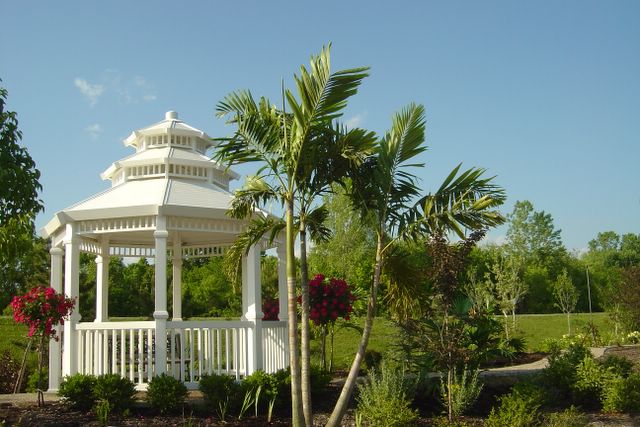
Dougherty Ferry Gazebo--check out the Knockout Rose Trees and the incredible palms. Almost looks like a tropical island minus the sand and ocean.

Greenscape Gardens