Tuesday, September 27, 2005

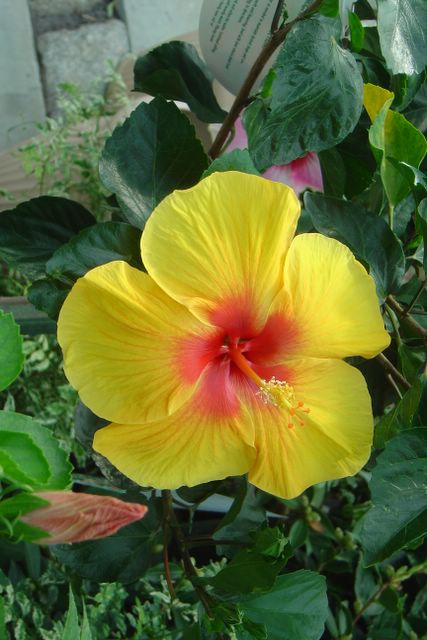
New tropical hibiscus variety.

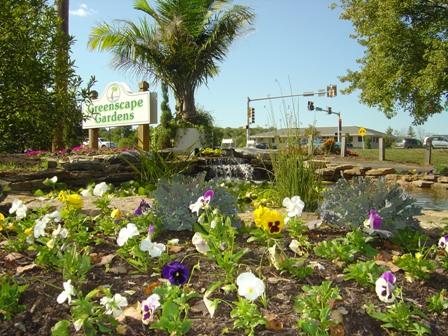
Greenscape Gardens
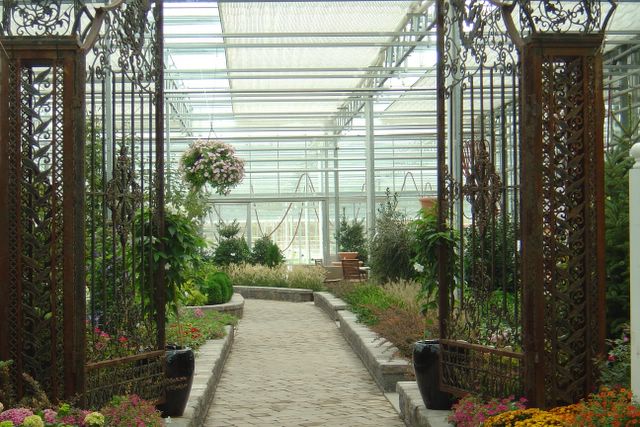
Note the grand entry wrought iron gates. Makes a great attraction for any secret garden.

Greenscape Gardens
Great idea for container gardening.

Greenscape Gardens
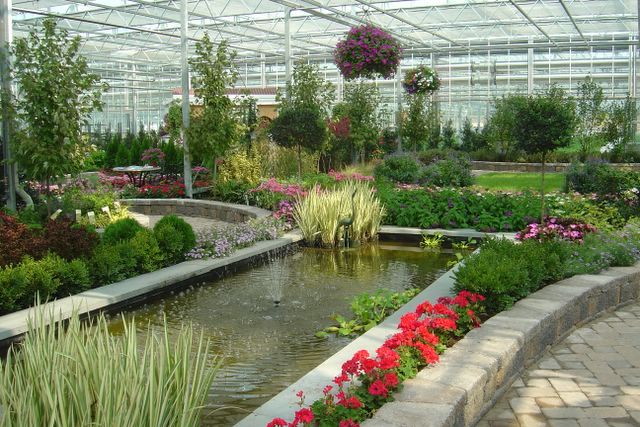
Another awesome landscape inside one of the Homestead Growers greenhouse.

Greenscape Gardens
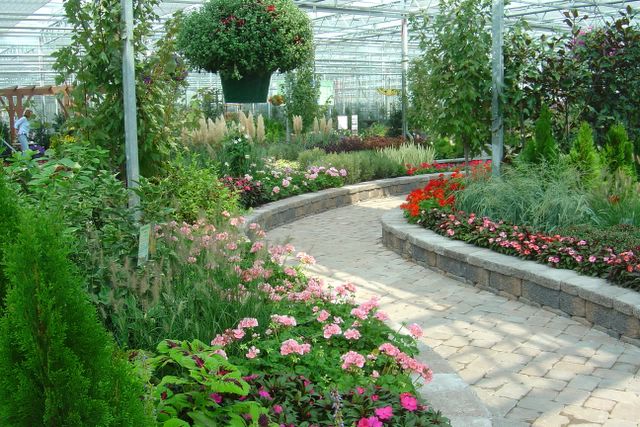
Homestead Growers 5 acre greenhouse. Display area was created for one week Eastern Performance Trials.

Greenscape Gardens
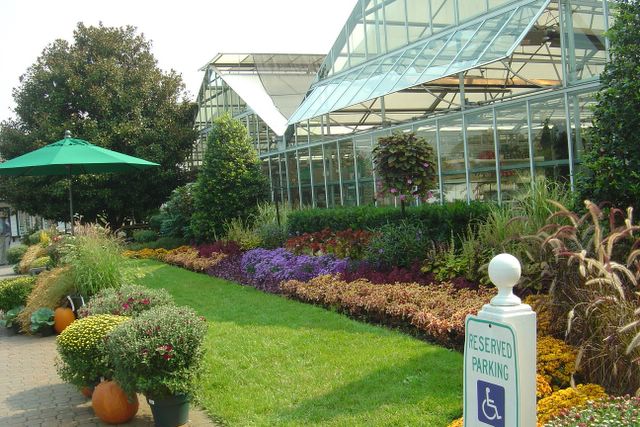
Front entrance of Homestead Gardens in Davidsonville, MD.

Greenscape Gardens
Front entrance to Greenhouse retail area at Homestead Gardens. Note the great display area in front of the greenhouse.

Greenscape Gardens
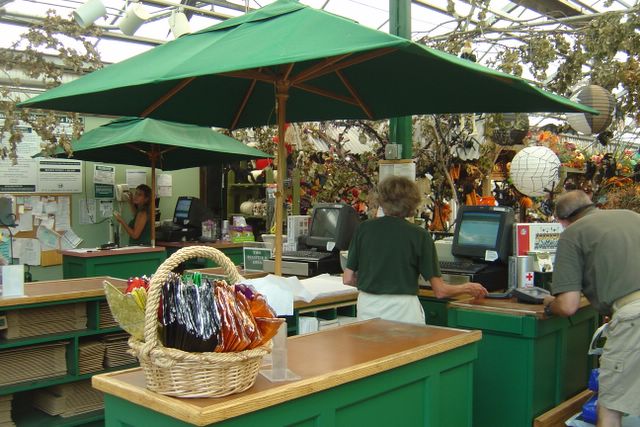
Checkout area....Homestead Gardens

Greenscape Gardens
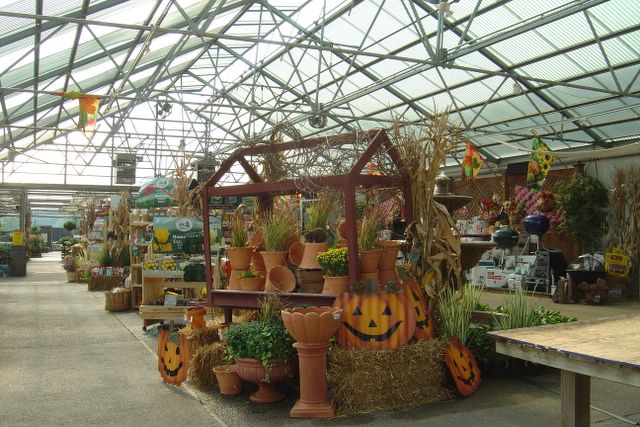
Halloween Display....Homestead Gardens

Greenscape Gardens
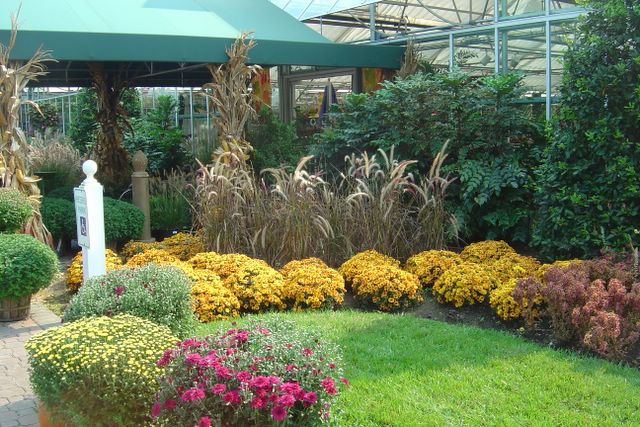
Display at Homestead Gardens....Davidsonville, MD.

Greenscape Gardens

Thursday, September 22, 2005


This Week's Online Coupon From Greenscape Gardens

This week's sale will be 20% off all Balled and Burlapped Trees- deciduous and evergreen. Must have coupon. Coupon will be valid thru September 30th, 2005. Subject to availability, sorry no rainchecks. (Installation charge is 50% of the original price of the tree).

Wednesday, September 14, 2005

This week's special is 50% off all Ornamental grasses. Plus save an additional 10% by mentioning that you're an Internet Gardener. The winter interest of the ornamental grasses is hard to duplicate.

Greenscape Gardens
THE OLD SIGN PHILOSOPHER, THOUGHT FOR THE DAY!

CARDINALS MAGIC NUMBER IS 1
GREENSCAPE GROWN MUM NUMBER IS 7803

XXXXXXXXXXXXXXXXXXXXXXXXXXXXXXXXXXXXXXXXXXXXXXXXX

GREENSCAPE GARDENS IS DONATING $1.00 TO THE RED CROSS HURRICANE KATRINA FUND FOR EVERY RETAIL 2 GALLON MUM PURCHASED DURING SEPTEMBER. TO DATE WE HAVE DONATED OVER $1200.

XXXXXXXXXXXXXXXXXXXXXXXXXXXXXXXXXXXXXXXXXXXXXXXXX

FALL LAWN IMPROVEMENT BY OVERSEEDING

The density of many lawns can be improved by introducing seed into the lawn and allowing these plants to germinate. The optimum time to seed cool-season turfgrasses is in September.

• Mow the area to 1 or 1.5 inches to reduce competition from established grasses.
• Apply a starter fertilizer over the entire lawn.
• Multiple aeration of the area. This will increase the seed-soil contact and improve germination and establishment rate. You can never over-aerify at this time, so make many passes over the lawn. A power raking at this time will also help to increase the seed-soil contact.
• Apply the seed to the lawn with either a broadcast spreader or a power overseeder which is a machine that will drop the seeds into small grooves that it cuts into the soil. Try to make 2 to 4 passes over the lawn in different directions with either the broadcast spreader or the power overseeder to insure a uniform seeding. Apply turf type fescue at a rate of 5# of seed per thousand square feet for overseeding. Bare ground seeding apply at a rate of 12# per thousand square feet.
• Water the newly-seeded area three to four times daily. Light, frequent irrigation is the rule.
• Mow frequently to limit the competition from the established turf. Mow at 2.5 inches until new seedlings have been cut at least two times. A normal mowing height of 2.5 to 3.5 inches should be maintained once the seed is established.
• Six weeks after germination, apply Fertilome fertilizer with Iron. An additional application of winterizing fertilizer should be applied in early November.

FOR ADDITIONAL INFORMATION CONCERNING LAWN RENOVATION CHECK OUT THIS WEBSITE.

Wednesday, September 07, 2005

THE OLD SIGN PHILOSOPHER, THOUGHT FOR THE DAY!

The Old Sign Philosopher is being serious this week because of the devastation by Hurricane Katrina.

First and foremost, we ask you to pray for Josh Eckhoff (our friend and fellow employee) who is being deployed to aid in the relief effort on the Gulf Coast. Josh returned from over one year deployment in Iraq less than seven months ago. Josh enrolled at UMSL and regrettfully will leave school to help the victims of Katrina. He will be leaving from Perryville, Missouri on Thursday, September 8th. Everyone at Greenscape Gardens salute you.

Secondly; and this is where you can help. Greenscape Gardens is donating $1.00 for every retail mum sale through the month of September. We sent a check for $450.00 to the International Red Cross today for the past week's mum sales.

xxxxxxxxxxxxxxxxxxxxxxxxxxxxxxxxxxxxxxxxxxxxxxxxxxxxxxxxxxxxxxx

SORRY NO SPECIAL SALE THIS WEEK. WE'RE ANTICIPATING YOUR SUPPORT IN RAISING MONEY FOR THE KATRINA RELIEF FUND. WE WILL DONATE $1.00 FOR EVERY RETAIL 2 GALLON MUM SOLD DURING THE MONTH OF SEPTEMBER. BEAUTIFY YOUR GARDEN AND HELP THOSE LESS FORTUNATE IN THE GULF COAST AREA.

XXXXXXXXXXXXXXXXXXXXXXXXXXXXXXXXXXXXXXXXXXXXXXXXX

LAWN IMPROVEMENT THROUGH FERTILIZATION & WEED CONTROL

This past summer has been devastating to many of the lawns in the St. Louis area. But many people don't realize that you can improve your lawn by approaching your lawn problems with fertilization. We can still dramatically improve our lawn with fertilizing and possibly some weed control. Golf courses apply 70% of their fertilizer in the fall while homeowners put 70% of the fertilizer down in the spring. Would you like a golf course green or your weed infested, thin lawn?

September is the most important time to fertilize a cool season turfgrass to encourage rooting and increased density. Fertilization should be done in mid-September with a product that has a nutrient ratio of nitrogen, phosphorus and potassium of about 4-1-2. Examples of fertilizers with this ratio would be 24-6-12 or 20-5-10. Apply fertilizer at 1.0 lb N/1000 ft2.

A second fertilizer application should be made after the last mowing of the year but while the turfgrass is still green. A heavy nitrogen source (winterizing fertilizer) is very effective for late fall fertilization. The nitrogen should be applied at the rate of 1.5 lbs /1000 ft2. Nitrogen is the most important nutrient to apply for a late fall fertilization.

Two applications of fertilizer should be adequate to maintain or even improve most lawns in the fall. A third application in mid-October could boost your lawn even more if it was especially thin after summer. Apply 1.0 lb /1000 ft2 in with a soluble nitrogen source like winterizing fertilizer.

An application of a broadleaf herbicide containing 2,4-D, MCPP and dicamba in mid-October will control dandelions, plantain, wild violets, clover, and black medic among other weeds. Read and follow all directions on the herbicide label when using the product. Be careful when using these products because they may damage desired vegetation such as flowers, trees, shrubs, or vegetables. Apply this product on a sunny day when no rain is forecast and temperatures are above 50 F.

For additional information concerning lawn renovation.

xxxxxxxxxxxxxxxxxxxxxxxxxxxxxxxxxxxxxxxxxxxxxxxxxxxxxxxxxxxxxxxx

Looking for late season perennials which will add color to your fall gardens. Check out this link from Walters Gardens.

Wednesday, August 31, 2005

ITS MUM TIME AT THE GARDENS.

Greenscape Gardens
THE OLD SIGN PHILOSOPHER, THOUGHT FOR THE DAY!

If you tell the truth you don't have to remember anything.

Start off every day with a smile and get it over with.


XXXXXXXXXXXXXXXXXXXXXXXXXXXXXXXXXXXXXXXXXXXXXXXXX

KATRINA RELIEF FUND

Greenscape Gardens will donate $1.00 to the Salvation Army and Red Cross Relief Fund for every mum sold this fall. We have grown 10,000 mums, so we anticipate your generosity in reaching our goal of $10,000 to the Katrina Relief Fund. We will accept additional donations which will be forwarded on a weekly basis. Let's show that St. Louis gardeners are very generous.

WEEKLY DONATION AMOUNTS WILL BE REPORTED ON THE GREEN BLOG.
xxxxxxxxxxxxxxxxxxxxxxxxxxxxxxxxxxxxxxxxxxxxxxxxxxxxxxxxxxxxxxx

WHITE GRUB UPDATE

Damage from white grubs will begin to appear as homelawns begin to dry out and show signs of moisture stress. Currently grubs are still small. If diagnosed early, control measures targeted at early developing grubs are effective. As the grubs grow and become more mature insecticide applications become less effective.

If turf areas begin to show symptoms of moisture stress. The areas that are most susceptible to grub damage are areas in full sun next to sidewalks and driveways where heat buildup is the greatest. Grub damage appears as large patchy areas. To check for grub damage try peeling back the sod. If the sod is easily peeled back, as if sheared off at the root system, grubs are most likely the primary cause. Dig down into the soil to see if the grubs are present. Grubs like to feed at the thatch/soil interface. The grubs should appear a clear to whitish color with a brown head and legged.

xxxxxxxxxxxxxxxxxxxxxxxxxxxxxxxxxxxxxxxxxxxxxxxxxxxxxxxxxxxxxx

LAWN RENOVATION TIME IS NOW!!!!

September is the optimum time for reseeding or seeding lawns in the St. Louis area. It is good time to remember the golden rule in seeding. Site preparation or renovation should be based on one rule, which is providing good seed/soil contact. Management practices that are done to provide the necessary seed-soil contact will increase the success of the operation.

As a general rule when renovating a lawn 30% of the lawn should be exposed. Exposing 30% of the lawns soil is a good rule when renovation consists of dethatching. A common failure in dethatching is that not enough of the thatch is removed. Seeding into thatchy areas where soil contact is not achieved will most likely result in failure.

After preparing the site, seed is often applied with a drop spreader or rotary spreader. The site should be lightly rolled to push the seed into contact with the soil. If the site cannot be adequately prepared (or even if it is) applying seed via a slit-seeder is an effective means of getting the necessary seed/soil contact.

Check out last week's blog on Lawn renovation for additional information concerning seeding. OR Check out our website concerning renovation.

xxxxxxxxxxxxxxxxxxxxxxxxxxxxxxxxxxxxxxxxxxxxxxxxxxxxxxxxxxxxxxx

Seven Steps to a Healthier, More Productive Workplace

The American Education Campaign, Plants at Work, and Healthy Plants in the Workplace have developed a 7 Step Plan to make any workplace greener and healthier.

According to both groups, plants in the workplace cut down health problems and stress. This is reflected in a significant reduction in absence due to illness and an improvement in the performance and productivity of staff across several studies.

1. Creating support
2. Establishing structures
3. Identifying needs
4. Developing a plan
5. Implementing the plan
6. Evaluating plants policy
7. Modifying and embedding the policy

1. Creating support.
Support from senior management and key staff is a prerequisite for introducing a new policy. Therefore highlight the importance of plants in the workplace with the aid of appropriate examples, research results and informative material (see: www.plantsatwork.org). Also involve the people responsible for health policy in the plan for formulating a plants policy, for example representatives of the human resource department, occupational health and safety representatives.

2. Establishing structures.

The next step is to establish an organizational structure for the development and implementation of a plants policy. Check who needs to be involved in this, who is already interested and whether there are any initiatives already underway in this area.

3. Identifying needs.

For this you need to draw up an inventory of the number of plants in the company and the plant types involved. Pay special attention to workplaces, which are close to sources of harmful substances such as printers and other machines. Also identify the locations of employees who display the symptoms of illnesses associated with poor working environments.

4. Developing a plan.

In this phase you decide which activities you will carry out this year. Use the information from Step 3 to identify priorities and then draw up a timetable for carrying out the activities and a program setting out who will do what and when.

5. Implementing the plan.

You can do this through the company's existing channels of communication such as employee consultation, Internet, the company newsletter, a staff meeting and the information provided to new employees. Pay additional attention to the start of the activities, and ensure information about the activities and any interim results is provided regularly.

6. Evaluating plants policy.

Establish how many healthy plants have been added, whether the plants are being properly cared for, how many people attended the briefings and awareness of the scheme generally, and ask about staff motivation. In the longer term the effects on absence due to illness can also be included, so that you gain an insight into the costs and benefits of the project. Produce a report with recommendations for further activities and suggestions for improvements.

7. Modifying and embedding the policy.

Health policy is really never 'finished.' Nor is a plant policy. A one-time activity, which involves placing plants everywhere, is not enough. The results of the evaluation should be used to modify and 'fine tune' the plan.

Plants at Work and Healthy Plants in the Workplace are education campaigns designed to educate professionals and the public about the vital benefits of plants in the workplace. Plants at Work is supported, in part by PLANET (Professional Landcare Network) and independent firms across the country. Healthy Plants in the Workplace is financed with the support of the European Union.
Friday, August 26, 2005

Greenscape Gardens Weekly Coupon

This Offer Good August 26 through August 29th, 2005

This weeks sale item is 5 mums for $19.99. Normally priced at $4.99@. Now is an excellent time to buy your mums when the selection is best. 10,000 Greenscape Grown Mums available.

Print This Page and Redeem Your Discount At The Greenscape Gardens Register

Thursday, August 25, 2005

THE OLD SIGN PHILOSOPHER, THOUGHT FOR THE DAY!

OUR MUMS AREN'T PANSIES

SOLAR NIGHT FLOWERS.....ENERGY EFFICIENT

SOLAR NIGHT FLOWERS.....NON-POLLUTING


XXXXXXXXXXXXXXXXXXXXXXXXXXXXXXXXXXXXXXXXXXXXXXXXX

FALL LAWN RENOVATION

This past summer has caused severe turf damage due to drought and extreme heat. Many lawns have also experienced significant fungus and disease problems. If this isn't enough, the moles have been destroying the lawns also. The only problem we haven't experienced is white grub damage.

Now is the perfect time to repair the summer damage with these
proven steps to renovating your lawn.

Weeds can be removed manually or killed using an herbicide. It is especially important to eliminate perennial weeds before seeding. If weeds are primarily broad-leaved, the area can be treated with a broad-leaf herbicide. It is then best to wait 2 weeks before seeding. If large patches of grassy weeds such as quackgrass are present, a nonselective herbicide such as (Roundup, or Kleen-up) can be used. This will eliminate most green vegetation it contacts, so be careful to apply only to those areas and plants you want controlled. Be sure to follow label directions on how long to wait before seeding.

Avoid using weed killers that persist in the soil, such as soil sterilants. Select herbicides approved for use on lawns, and then follow the label directions explicitly. Once weeds have been destroyed and have begun to dry (usually about 5 to 14 days following application of a nonselective herbicide), renovation can proceed.

Early fall is the best time of year to renovate your lawn. The recent summer rains has produced sufficient moisture in the soil to produce good renovation results. Prior to seeding, a thorough soaking (to a depth of 6-8 inches) will make soil preparation easier. It will also help ensure that young grass seedlings have sufficient water.

If needed, thatch can be removed manually with a garden rake or with a power rake. If the thatch is excessive, removal with a sod cutter is recommended.

A vertical mower can be used over the entire lawn whether or not there is some grass remaining, and can also be used for preparing the seedbed. The tines should be set to nick the soil surface to a depth of approximately 1/8 -½ inch. Rake any large clumps of debris from the site.

Alternatives to vertical mowing for soil preparation include vigorous hand raking (usually only practical on small sites) or extensive aerating. Aerators are available at rental stores or contracted to a landscaper. Aerate the lawn thoroughly by going over it 3-5 times. Aeration cores can be allowed to partially dry and then be broken up using a rake or vertical mower before seeding.

While more expensive, aeration followed by vertical mowing is recommended to prepare the seedbed. The important principle in seedbed preparation is to achieve good soil to seed contact. This will improve seed germination and establishment.

Just prior to seeding, apply “starter fertilizer” to the seed bed per label recommendation. It may be lightly raked into the surface where the soil is bare and loose. Fertilization will encourage establishment and growth. If extra phosphorus and potassium are needed (as determined by a soil test), they are best applied following aerification and should be watered in prior to final seedbed preparation.

BASIC STEPS FOR FALL LAWN RENOVATION

1. WEED CONTROL

Apply broadleaf Herbicide. If weeds are primarily nongrasses. OR
Apply a nonselective herbicide like Roundup to eliminate most green vegetation; requires 10 days for effective control.

2. SOIL MOISTURE REPLENISHMENT

Soak soil to a depth of 6-8 inches; allow the surface to dry.

3. THATCH REMOVAL

Use a power rake to remove thatch and prepare the seed bed. Can be rented or contracted. A sod cutter is recommended for extreme thatch problem; can be rented or contracted.

4. SOIL PREPARATION

Aerate the lawn 3-5 times with a commercial aerator; especially recommended if soil is compacted.

5. FERTILIZING

Apply "starter fertilizer" or as recommended by a soil test.

6. SEEDING

Apply fescue seed recommended at a rate of 6-12# per thousand square feet. Blends of fescue are highly recommended.

7. WATERING

Lightly to provide good seed to soil contact; water lightly twice daily to rewet soil surface

8. MOWING

When 3 inches tall, mow to 2½ inches with sharp mower; continue regular mowing as needed.

P.S. Labor Day weekend is a great time to establish or renovate your lawn. SUPERIOR RESULTS are attained with early fall seeding. Greenscape Gardens is stocked with grass seed and fertilizer and we're always happy to give you additional advise about any of your landscape and gardening needs.

Wednesday, August 17, 2005

THE OLD SIGN PHILOSOPHER, THOUGHTS FOR THE DAY!

A BAD SPEL OF WETHER St. Louis has definitely had a bad spell of weather this past Saturday.

DROUGHT RELIEF....RAIN We finally got some rain to help relieve the summer drought BUT 2 INCHES IN ONE HOUR IS CRAZY!

XXXXXXXXXXXXXXXXXXXXXXXXXXXXXXXXXXXXXXXXXXXXXXXXXXX

SCIENTISTS GERMINATE 2,000 YEAR OLD SEED!

Scientists in Jerusalem coaxed a 2,000-year-old date palm seed into producing a 12-inch-tall sapling. The seed was discovered at an archaeological dig by researchers looking for ancient medicinal plants. "It's the start of a long-term program to germinate more ancient seeds from this region, which have been found in archaeology digs," said Sarah Sallon, Hadassah Medical Organization director of natural medicine research. "We would like one day to have plantations of these ancient cultivars." Scientists dubbed the sapling Methuselah. Sallon was not aware of anyone expressing interest in breeding the plant for commercial or ornamental use.

XXXXXXXXXXXXXXXXXXXXXXXXXXXXXXXXXXXXXXXXXXXXXXXX

WHAT CAUSES HOSTAS TO CHANGE COLORS?

This interesting article from Walter's Gardens tells how and why a hosta colors change throughout the growing season by Clarence Falstad, Past President (2001-2003) of The American Hosta Society. READ MORE!
xxxxxxxxxxxxxxxxxxxxxxxxxxxxxxxxxxxxxxxxxxxxxxxxxxxxxxxxxxxxxx

LIBERTY BELL GETS LIBERTY ELM TREE

American Liberty elms have found a home at the Liberty Bell Center in Independence National Historical Park in Philadelphia. Three American elms resistant to Dutch elm disease were planted as part of a landscaping project adjacent to the Liberty Bell Center and in front of Independence Hall. The elms average 20-30 feet high and were propagated and grown by the nonprofit Elm Research Institute (ERI). ERI isolated 6 resistant elm clones and markets them jointly as American Liberty elms.

HOPEFULLY, WE WILL HAVE A LIMITED SUPPLY IN 2006.

Monday, August 08, 2005

THE OLD SIGN PHILOSOPHER, THOUGHT FOR THE DAY!

A LESSON OF LIFE
OR
The Mayonnaise Jar & 2 cups of coffee


When things in your life seem almost too much to handle, when 24 hours in a day are not enough, remember the mayonnaise jar and the 2 cups of coffee.

A professor stood before his philosophy class and had several items in front of him. When the class began, he wordlessly picked up a very large and empty mayonnaise jar and proceeded to fill it with golf balls.

He then asked the students if the jar was full. They agreed that it was.

The professor then picked up a box of pebbles and poured them into the jar. He shook the jar lightly. The pebbles rolled into the open areas between the golf balls. He then asked the students again if the jar was full. They agreed it was.

The professor next picked up a box of sand and poured it into the jar. Of course, the sand filled up everything else. He asked once more if the jar was full. The students responded with an unanimous "yes."

The professor then produced two cups of coffee from under the table and poured the entire contents into the jar effectively filling the empty space between the sand. The students laughed, "Now," said the professor as the laughter subsided, "I want you to recognize that this jar represents your life. The golf balls are the important things--God, your family, your children, your health, your friends and your favorite passions--and if everything else was lost and only they remained, your life would still be full. The pebbles are the other things that matter like your job, your house and your car.

The sand is everything else--the small stuff. "If you put the sand into the jar first," he continued, "there is no room for the pebbles or the golf balls. The same goes for life. If you spend all your time and energy on the small stuff you will never have room for the things that are important to you. "Pay attention to the things that are critical to your happiness. Play with your children. Take time to get medical checkups. Take your spouse out to dinner. Play another 18. There will always be time to clean the house and fix the disposal. Take care of the golf balls first--the things that really matter. Set your priorities. The rest is just sand.”

One of the students raised her hand and inquired what the coffee represented. The professor smiled. "I'm glad you asked. It just goes to show you that no matter how full your life may seem, there's always room for a couple of cups of coffee with a friend." Please share this with people you care about. I JUST DID.

xxxxxxxxxxxxxxxxxxxxxxxxxxxxxxxxxxxxxxxxxxxxxxxxxxxxxxxxxxxxxxxxxxxxxxxxxx

White Grub Problems in Lawns

Several customers have recently experienced grub damage in their lawns. Now is the time to be on the lookout and control these unwanted pests. White grubs are the most serious and destructive lawn insect pest in St. Louis. While not all lawns will get grubs and the extent of grub damage varies from year to year, there are some important points to consider concerning managing grubs in lawns. Grubs are white in color, with a characteristic "C" shape body when found in the soil feeding on lawn roots. Grubs are the larval stage of beetles.

The most common grub species in our area is the annual white grub, of which the adult is a tan chafer beetle. Eggs are laid in the soil in mid-summer, primarily on well-watered lawns in full sun, often near pavement. Damage from annual white grubs typically starts in mid August and may continue until early October. Japanese beetle grubs can also occur in St. Louis, with timing very similar to annual white grub. Adult Japanese beetles are serious defoliators of many ornamental plants.

Since grubs feed on the roots of lawn grasses, damage will appear as browning of the lawn. Consider that this also could be due to problems such as drought, poor soil, or diseases. However, grubs are easy to find by lifting sod in damaged areas and checking the root zone for the whitish grubs. Don't treat for grubs that don't exist! Skunks and raccoons may tear up lawns in search of grubs, even when grub numbers are relatively low. Typically a population of about 8 to 12 grubs per square foot causes lawn damage that requires control; whereas lower populations may not damage the grass, they may attract skunks and raccoons.

Lawns showing damage from grubs may be treated with an insecticide. Insecticides available for homeowners include Merit, for control of white grubs. For all products, read and follow all label directions, then apply to damaged areas. Water the insecticide into the soil immediately. Only treat in and around affected areas; grubs may only be in a small part of the lawn.

Spring treatment for annual white grub is not suggested since the grubs feed for a short period of time in spring and are reaching maturity, thus are not controlled easily. In addition, turfgrasses are actively growing at that time so usually don’t show damage.

Other insects may attack lawns in St. Louis but severity of damage changes from season to season and also by location. Examples include sod webworm, billbug, chinch bug, and aphids. These insects differ from grubs in that they are feeding at or above the surface of the soil and usually are not as destructive.